April 26, 2026
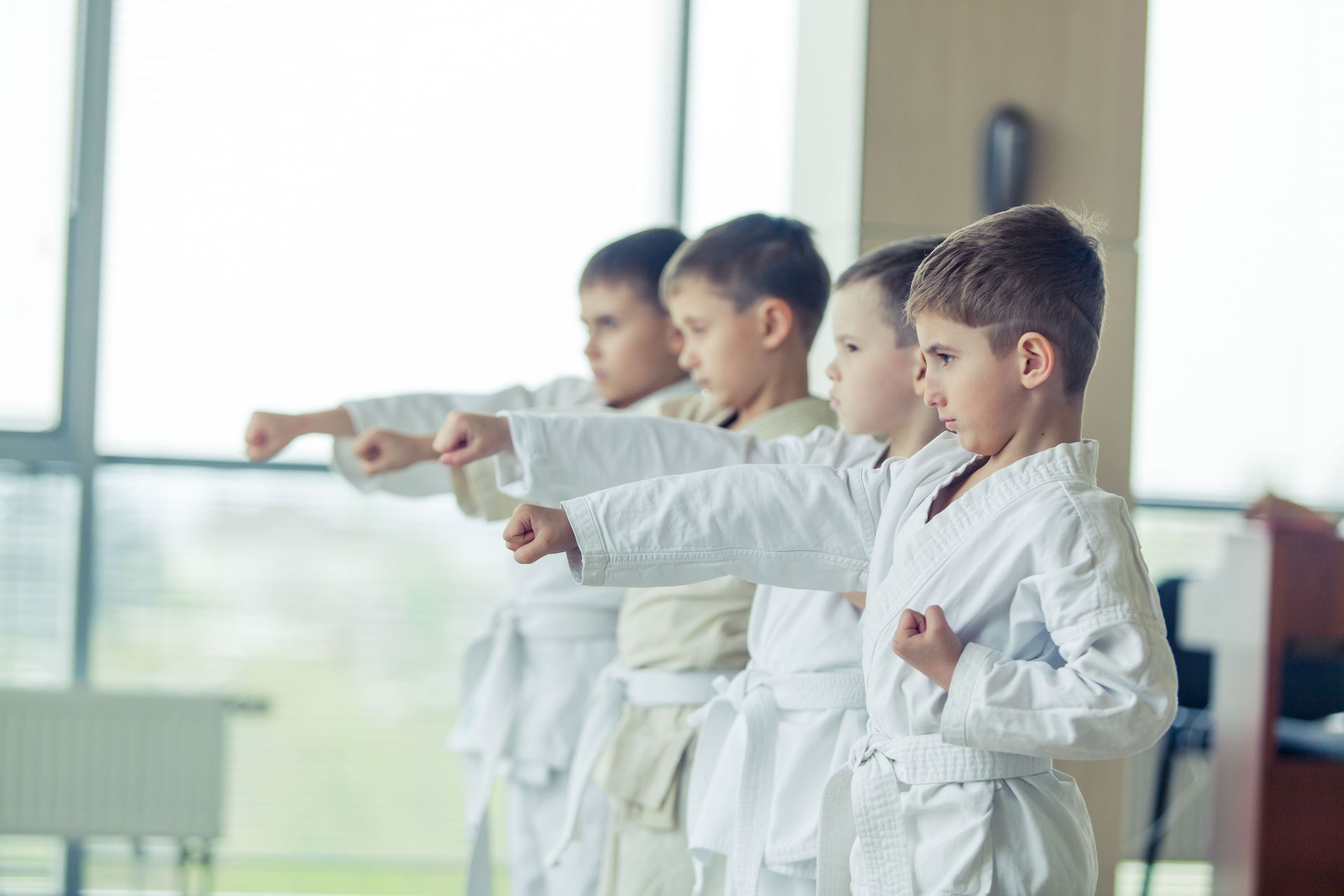
Watching a child stand on the sidelines while others play can be a difficult experience for any parent. Shyness is a natural trait, but when it prevents a child from engaging with the world or speaking up for themselves, it can feel like a barrier to their development. Many families find that enrolling their little ones in martial arts classes provides a structured yet supportive environment where they can slowly emerge from their shells. These sessions are not just about physical movement; they are about building a foundation of self-assuredness that carries over into school and social life.
Understanding the Power of Predictable Structure and Routine
One of the primary ways martial arts classes help quiet children is through the predictable structure of every session. For a shy child, the unknown is often the most intimidating factor in any new situation. In a traditional dojo setting, students know exactly what to expect from the moment they bow onto the mat. This consistency lowers their anxiety levels, allowing them to focus on learning rather than worrying about what might happen next. As they become familiar with the routine, their comfort grows, and they begin to participate more actively without the fear of sudden surprises. This psychological safety net is essential for children who need a little extra time to adjust to new faces and high-energy environments.
Building Internal Validation Through Personal Progression
The progression system found in martial arts classes is a powerful tool for building internal validation. Unlike team sports, where a shy child might feel overshadowed by more vocal teammates, martial arts is an individual journey performed in a group setting. Every time a student earns a new stripe or masters a specific movement, they receive a tangible reminder of their own capabilities. This steady stream of small wins helps a child realize that their effort leads to direct results, which slowly replaces self-doubt with a sense of personal pride. Earning these milestones provides a quiet confidence that does not require them to be the loudest person in the room to feel accomplished.
Managing Social Interaction and Meaningful Friendships
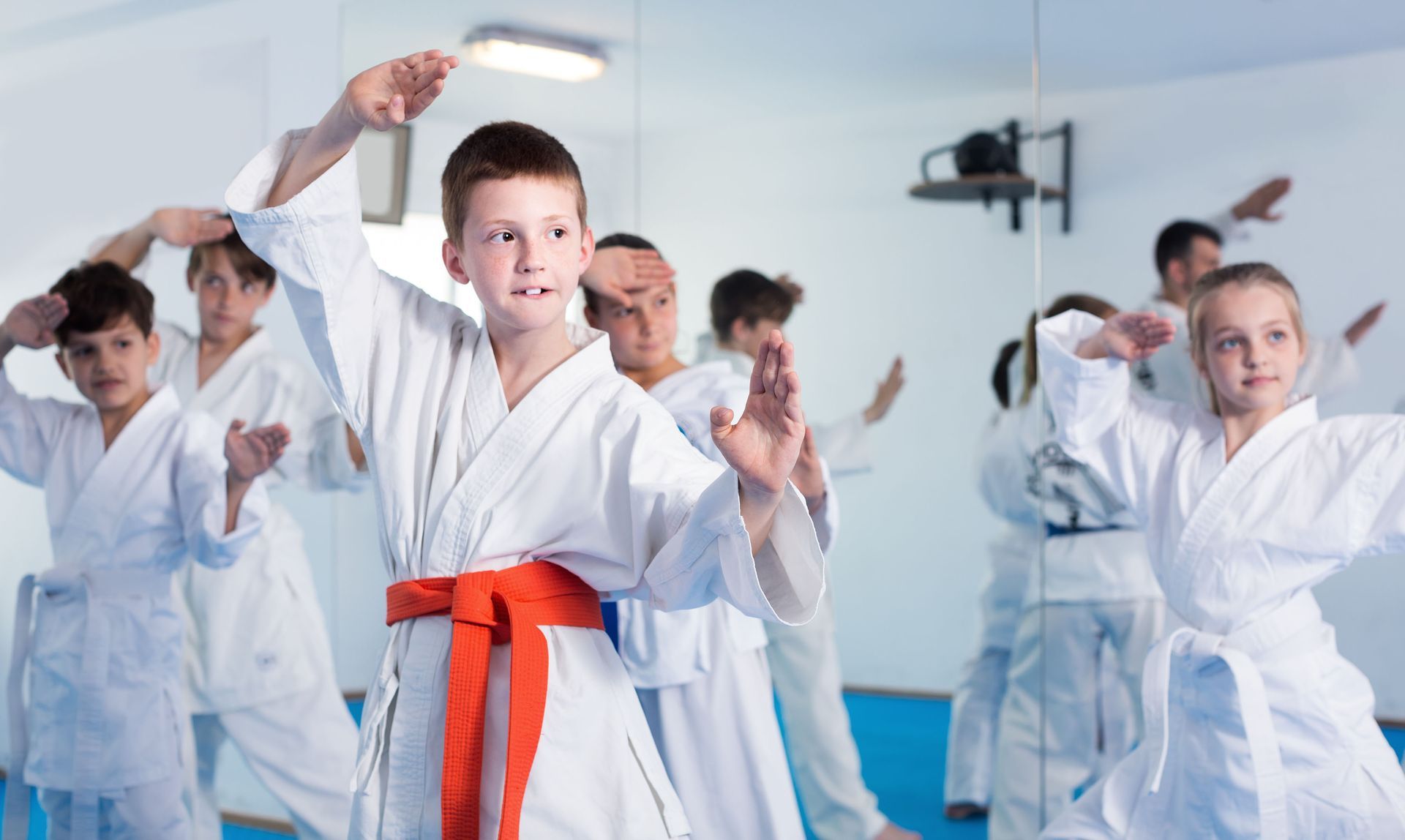
Social interaction in martial arts classes is handled with a level of care that suits introverted personalities. Instead of being forced into large, chaotic groups, students often work in pairs or small teams to practice specific drills. This allows a shy child to connect with one peer at a time, making the social aspect of the training feel much more manageable. Over time, these brief interactions build into meaningful friendships, as the students share the common goal of improving their skills and supporting one another through the challenges of training. This phased approach helps them navigate social dynamics at their own pace, ensuring they feel comfortable and valued while gradually developing the essential communication skills needed for lifelong success.
Finding a Voice Through Gentle Visibility
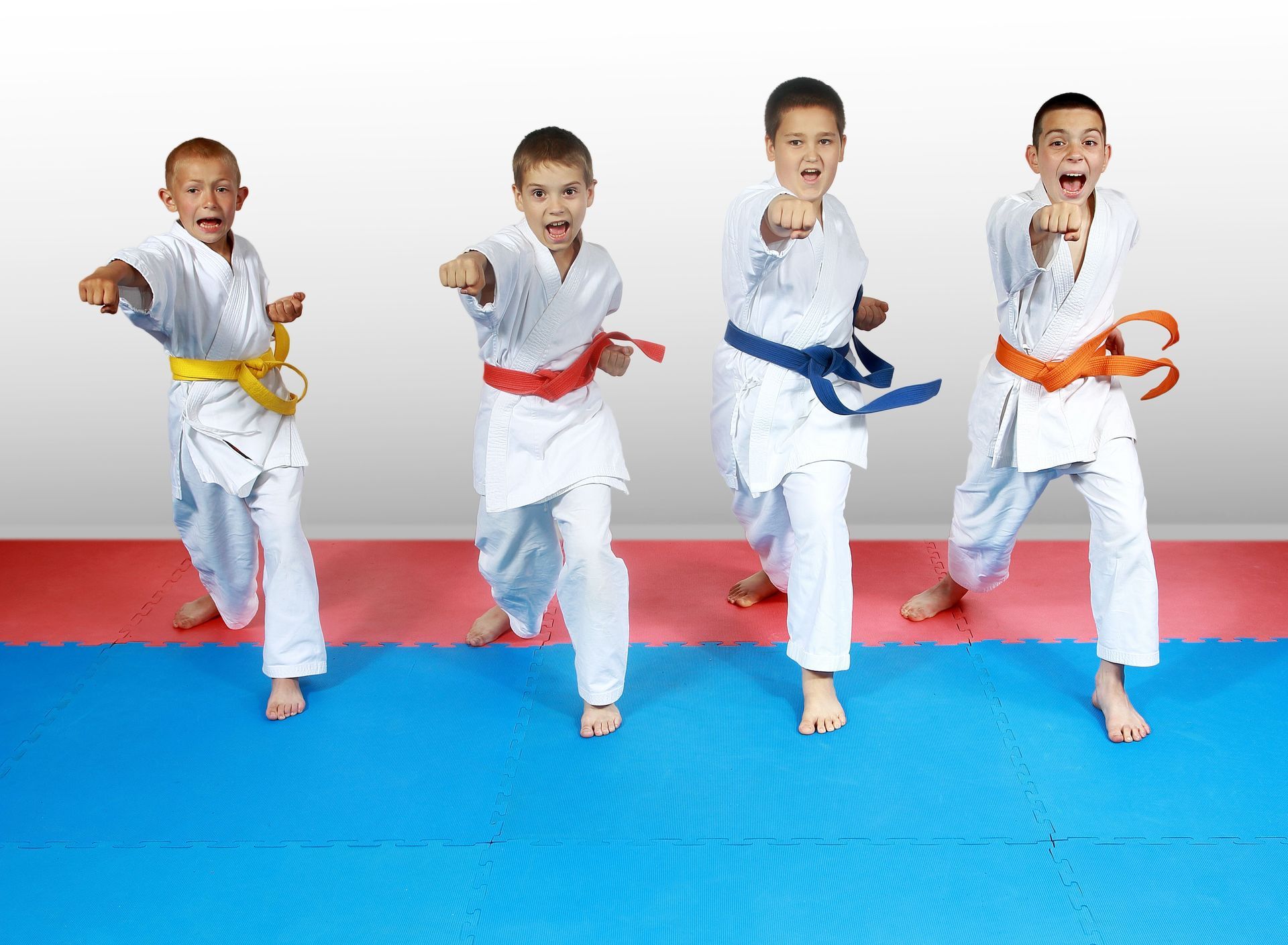
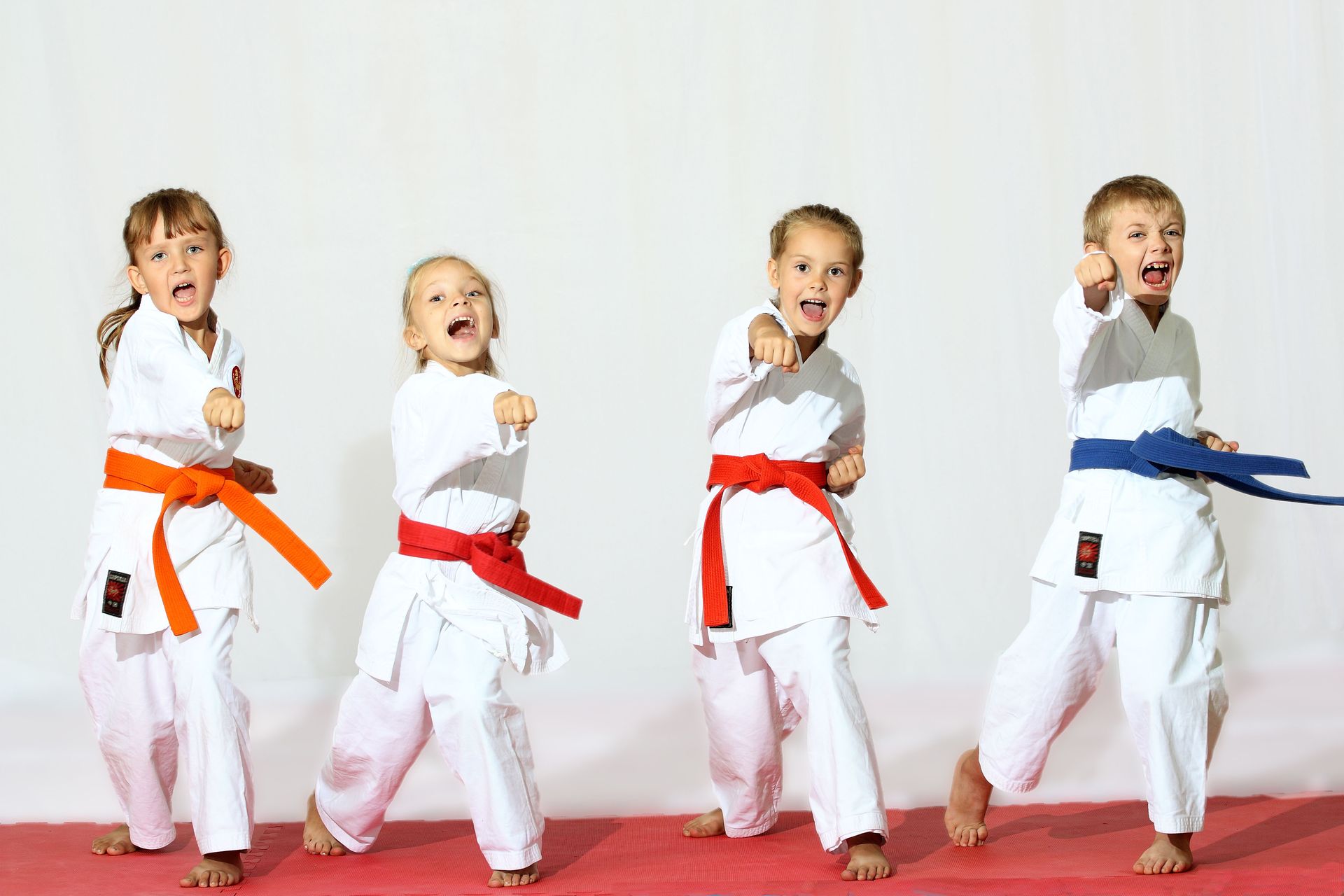
Public speaking and visibility are integrated into the curriculum of martial arts classes in a very gentle manner. Many instructors encourage students to use their voices by shouting during specific strikes or leading a short warm-up sequence. For a child who usually whispers or avoids eye contact, being given permission to be loud and take up space is a transformative experience. It teaches them that their voice has power and that they have the right to be heard, which is a vital skill for standing up to peers or participating in class at school. This vocal training serves as a bridge, helping them overcome the physical hesitation that often accompanies social anxiety.
Developing Confidence Through Improved Body Awareness
The physical nature of martial arts classes also helps children develop a stronger sense of body awareness and presence. Shy children often try to make themselves smaller by slouching or looking at the ground. Training requires them to stand tall, maintain a strong posture, and look their partners in the eye. This physical adjustment actually influences their mental state; by adopting a confident stance on the mat, they begin to feel more confident internally. This improved body language often translates to a more poised demeanor in their everyday lives outside the academy. When a child learns to carry themselves with strength, they signal to the world and themselves that they are ready to engage.
Creating a Safe Haven Grounded in Mutual Respect
Respect is a core pillar of martial arts classes, and this creates a safe haven where shy children feel protected from judgment. The culture of the dojo emphasizes that everyone is there to learn, regardless of their starting point. When a child knows that their mistakes will be met with guidance rather than ridicule, they become much more willing to take risks. This emotional safety encourages them to try new things and push past their comfort zones, which is the exact place where true growth and empowerment happen for a child who struggles with social anxiety.
Considering Global Traditions and a Sense of Universal Belonging
Interestingly, the global reach of these disciplines shows just how universal the benefits of training truly are. According to the CDC, 197 countries participate in Judo at the Olympics, proving that the principles of discipline and courage resonate across every culture. When a shy child joins martial arts classes, they are becoming part of a massive, worldwide community of practitioners. Understanding that they are learning the same techniques used by millions of people across the globe can give a child a sense of belonging and significance that they might have been missing elsewhere. This connection to a larger tradition helps them realize they are part of something much bigger than their individual fears.
Managing Fear Through Focus and Moving Meditation
The discipline required in martial arts classes helps children learn to manage their internal fears through focus. When a student is concentrated on balancing on one leg or executing a complex sequence of movements, there is less room in their mind for anxious thoughts. This form of moving meditation teaches them how to center themselves even when they feel nervous. The ability to find a calm center is an invaluable asset for a shy child when they face a stressful situation, such as giving a presentation or meeting a group of new people. They learn that while they may feel butterflies in their stomach, they have the tools to remain composed and focused on the task at hand.
Using Mentorship and Positive Reinforcement From Instructors
Instructors in martial arts classes act as mentors who understand the delicate balance of pushing a child just enough to grow without overwhelming them. A quality teacher recognizes the signs of shyness and knows how to offer encouragement that feels authentic. By receiving positive reinforcement from an authority figure who is also a skilled martial artist, a child begins to view themselves through a more capable lens. This mentorship provides a bridge between the child's current self and the more assertive person they are capable of becoming through consistent practice.
Cultivating Resilience for Life's Challenges
Finally, the resilience built in martial arts classes prepares children to handle life's inevitable setbacks. In training, a student will occasionally fall down or fail to break a board on the first try. In the supportive environment of the dojo, these moments are framed as necessary steps toward success rather than reasons to feel embarrassed. Learning that failure is not final allows a shy child to lose their fear of making mistakes in front of others. This resilience is the ultimate form of empowerment, ensuring they have the strength to keep trying regardless of the obstacles in their path. They learn that true bravery is not the absence of fear, but the willingness to keep moving forward despite it.
Empowering a shy child is a gradual process that requires patience, but the results are well worth the effort. Through the unique combination of structure, physical challenge, and social support, martial arts classes offer a path for quiet children to discover their inner strength. They learn that being shy is not a weakness, but rather a starting point for a journey toward becoming a more confident and capable individual.
If you want to help your child find their voice and build lasting confidence, consider visiting Elite TOMA Martial Arts Academy to see our programs in action.