November 24, 2026
This is a subtitle for your new post
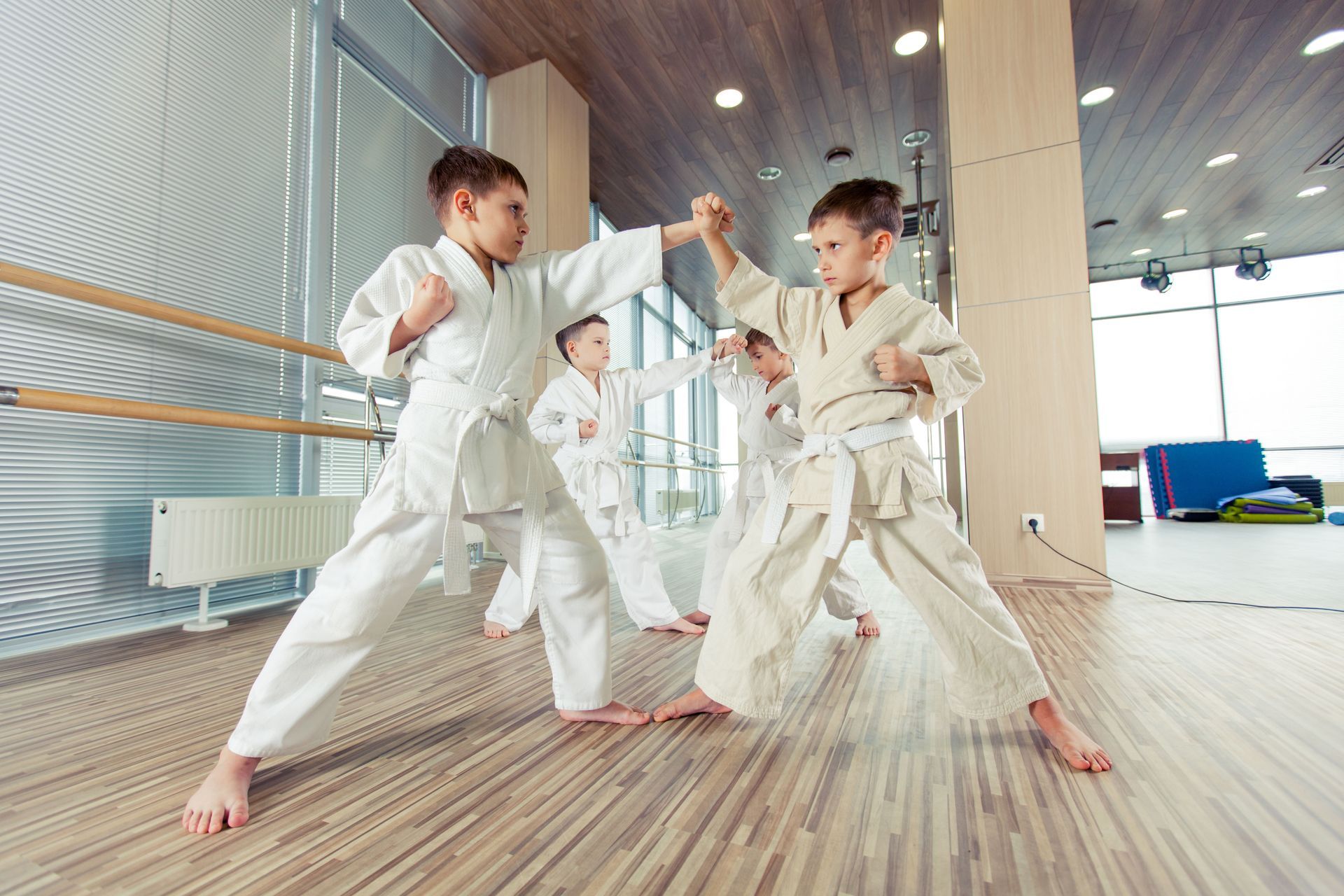
Martial arts have become an increasingly popular activity for children, particularly those with active lifestyles. The physical and mental benefits make these programs an attractive option for parents seeking well-rounded development opportunities. As families explore ways to channel their children's energy positively, kids martial arts provides an engaging combination of exercise, discipline, and personal growth. According to Wellyx, approximately 40% of all martial arts participants in the United States are under 18. This significant participation highlights the appeal of structured training among younger generations. Understanding the advantages of martial arts can help parents determine whether these activities are appropriate for their children's interests, personalities, and developmental needs.
1. Improving Physical Fitness and Cardiovascular Health
One of the primary reasons martial arts appeals to active children is its positive impact on physical fitness. Training sessions typically involve exercises that elevate heart rates, improve endurance, and encourage consistent movement. Activities such as jumping, running, kicking, and practicing defensive techniques provide opportunities for cardiovascular conditioning. Regular participation can help children develop stamina while establishing healthy exercise habits that extend beyond the training environment.
Additionally, kids martial arts encourages physical activity through engaging routines that challenge different muscle groups. Unlike repetitive exercise programs, martial arts combines technical instruction with movement-based activities that keep children interested. This variety can make exercise more enjoyable for energetic youngsters who prefer interactive learning experiences. Developing an appreciation for physical fitness during childhood may also encourage continued participation in recreational activities throughout adolescence and adulthood.
2. Developing Strength, Flexibility, and Coordination
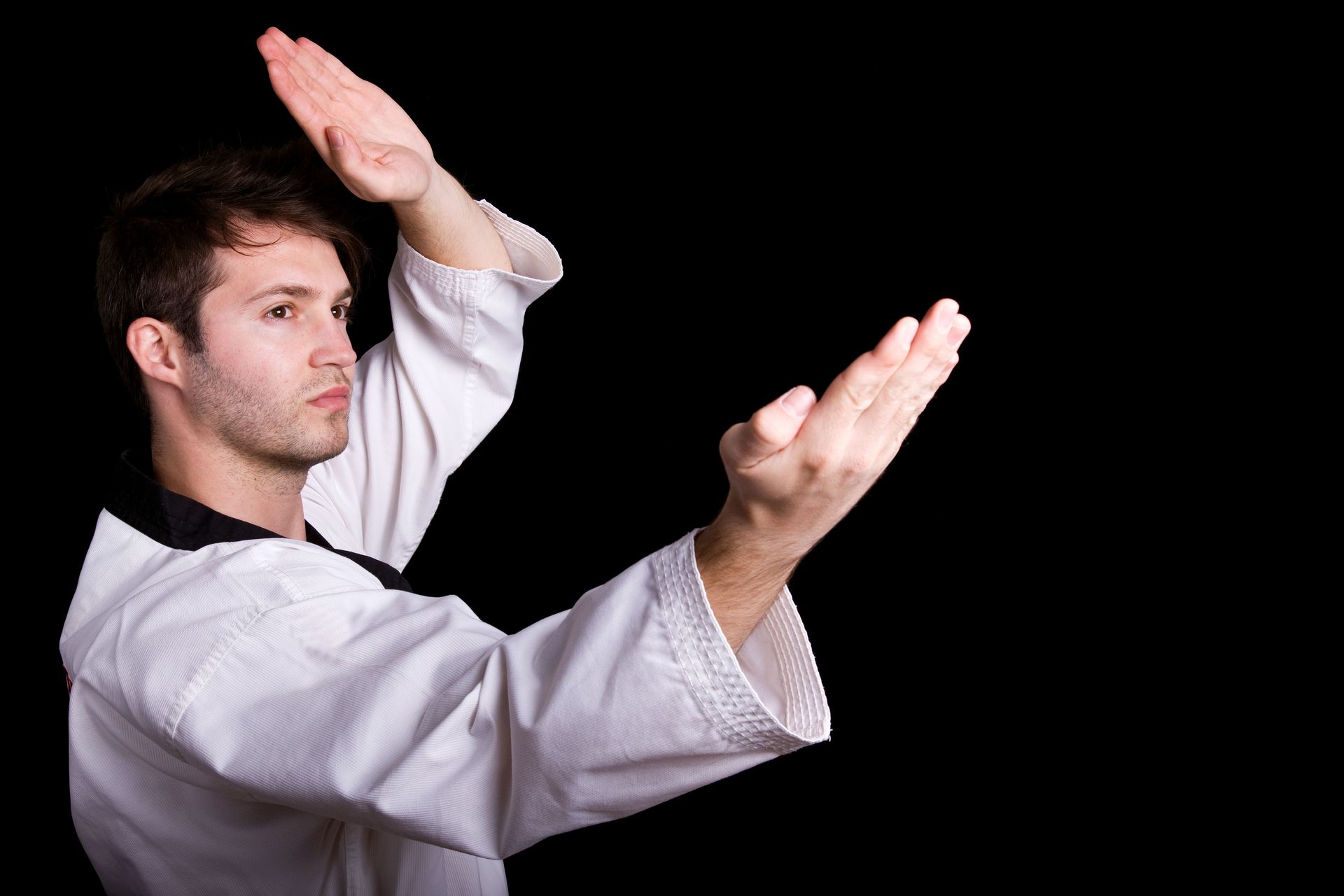
Martial arts training incorporates movements that promote muscular strength, flexibility, balance, and coordination. Practicing kicks, punches, defensive positions, and controlled transitions requires children to engage multiple muscle groups. Stretching exercises help improve flexibility, while repeated movements strengthen muscles and support physical development. These abilities are particularly valuable for children who participate in other sports or enjoy outdoor recreational activities.
Balance and coordination are equally important components of training. Children must learn to control their movements while maintaining proper posture and positioning. Through consistent practice, they gradually become more aware of how their bodies move through space. Improved coordination can benefit everyday activities, including running, climbing, and participating in team sports. Instructors can also modify exercises according to individual abilities, allowing children to progress safely while building confidence in their physical capabilities.
3. Teaching Discipline and Self-Control
Discipline represents a fundamental aspect of martial arts instruction. Students follow established rules, listen carefully to instructors, and practice techniques according to structured guidelines. These expectations encourage children to develop responsibility, patience, and self-control. Simple routines, such as arriving prepared, respecting training partners, and following directions, reinforce the importance of accountability in a supportive environment.
Participating in kids martial arts also helps children understand the relationship between consistent effort and meaningful improvement. Mastering techniques requires repetition, attention, and patience rather than immediate success. Children gradually recognize that progress depends on commitment and a willingness to learn from mistakes. These lessons can extend into schoolwork, household responsibilities, and other extracurricular activities. Developing self-discipline early may help children approach challenges with greater maturity and determination.
4. Enhancing Focus and Concentration
Martial arts requires students to pay close attention to instructions, remember movement sequences, and respond appropriately during practice. These activities provide opportunities to strengthen concentration and listening skills. Children must focus on proper technique while remaining aware of their surroundings and training partners. This combination of mental engagement and physical movement creates an environment where attention becomes essential to successful participation.
As children become familiar with training routines, they may develop greater patience when completing challenging tasks. Learning complex techniques encourages them to break larger goals into manageable steps. Instructors frequently provide constructive feedback, helping students recognize mistakes and make improvements. These experiences can reinforce productive learning habits that may prove useful in academic settings. The ability to concentrate, follow instructions, and complete tasks carefully contributes to personal development beyond the martial arts studio.
5. Building Confidence and Self-Esteem
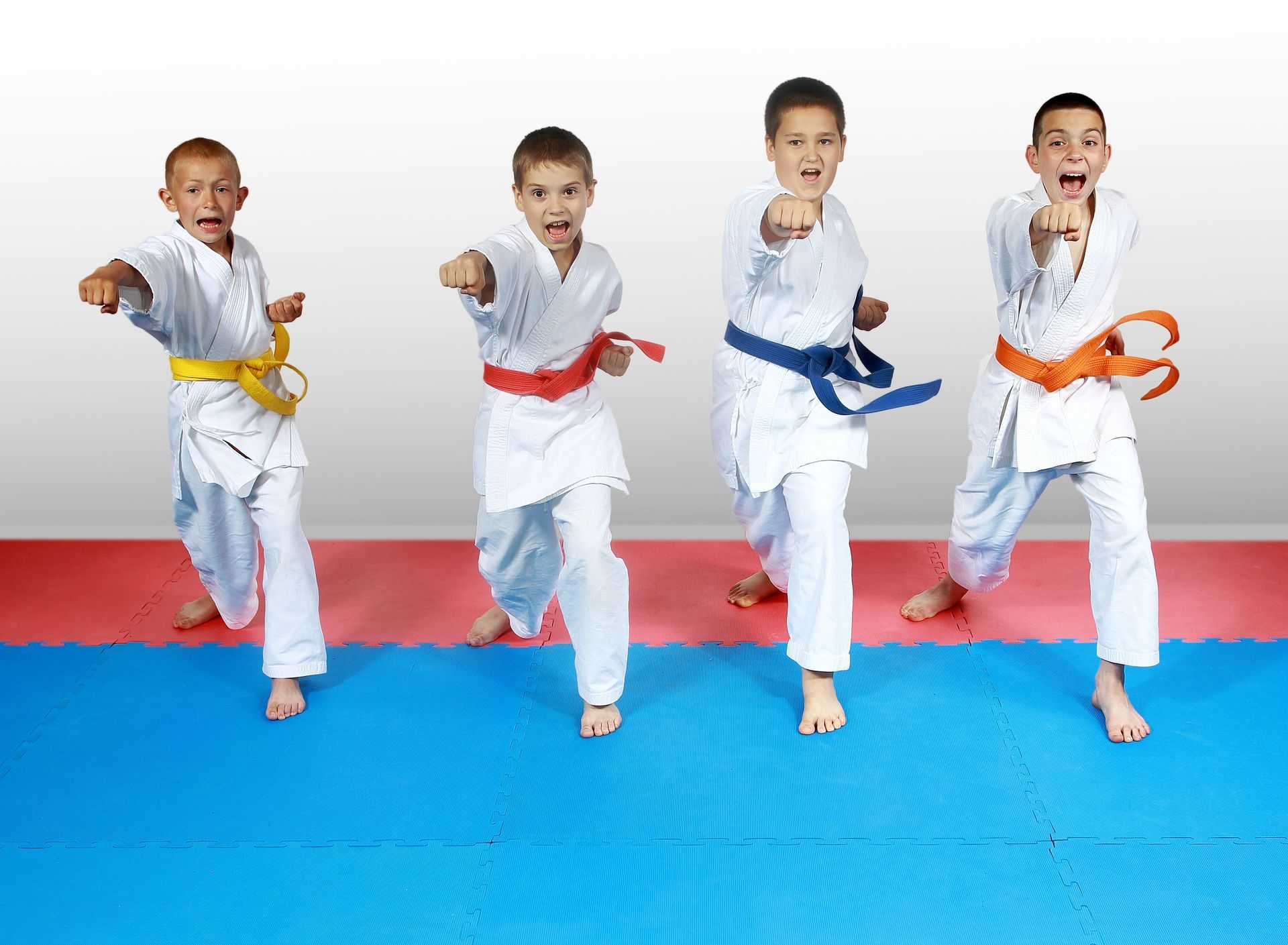
Confidence develops when children recognize their progress and accomplish meaningful goals. Martial arts programs frequently use structured advancement systems that allow students to measure improvement through demonstrated skills and achievements. Whether mastering a difficult movement or earning a new belt, each milestone provides an opportunity to celebrate dedication and perseverance. These accomplishments help children develop pride in their abilities.
Through kids martial arts, students also learn to approach unfamiliar challenges with greater confidence. Practicing new techniques may initially feel intimidating, particularly for beginners. However, supportive instruction and gradual progression can help children become comfortable trying unfamiliar activities. Constructive feedback reinforces the importance of improvement rather than perfection. As children overcome obstacles, they begin to understand that setbacks are natural parts of learning. This perspective encourages resilience and a healthier sense of self-worth.
6. Encouraging Respect and Positive Behavior
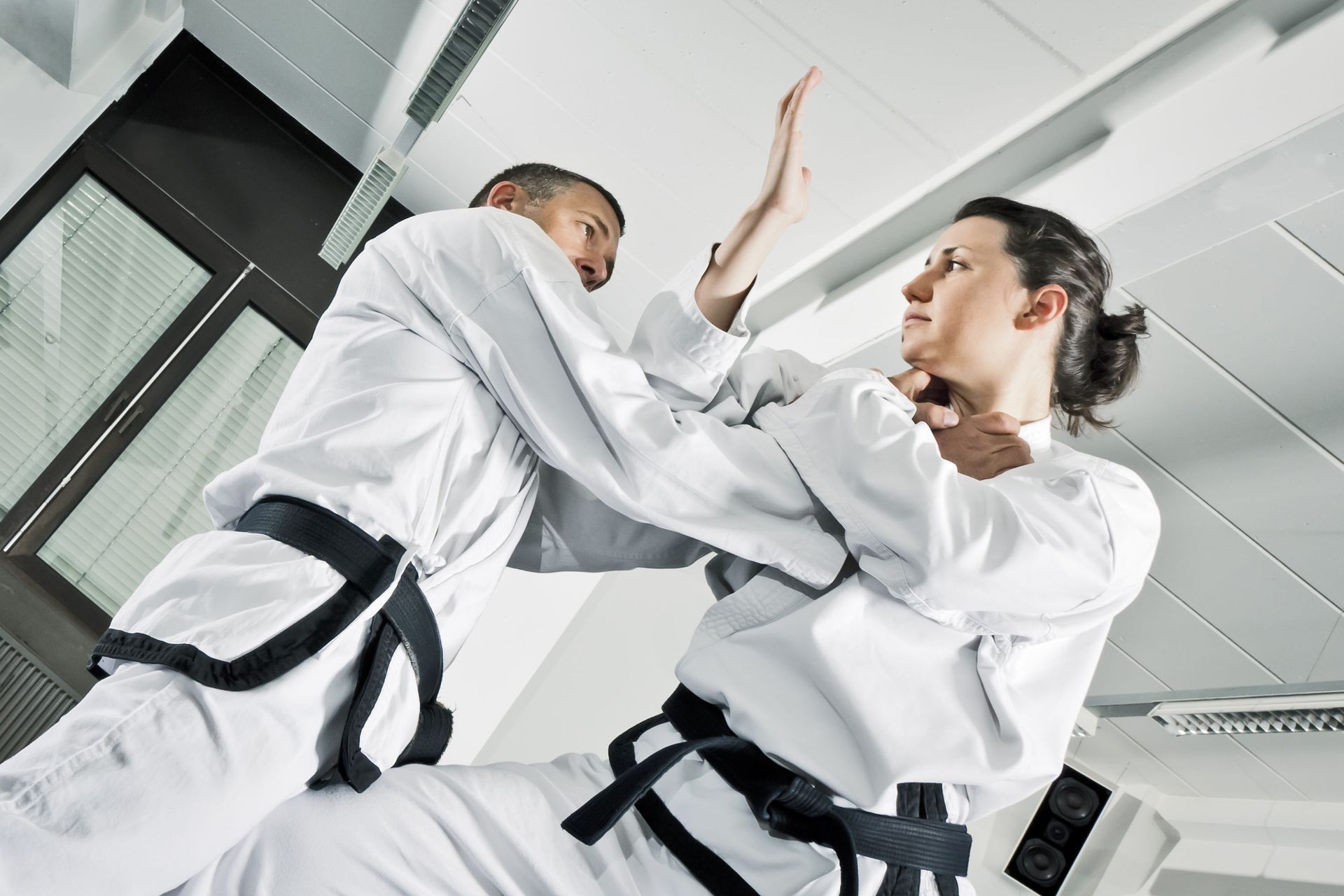
Respect is deeply integrated into martial arts traditions and training environments. Students learn to demonstrate courtesy toward instructors, classmates, and themselves. Common practices, including listening without interrupting, following classroom etiquette, and acknowledging training partners, reinforce respectful interactions. These expectations establish a positive atmosphere where children can learn while recognizing the importance of appropriate behavior.
Respectful conduct also involves understanding personal boundaries and treating others fairly. Children practice techniques with partners of different experience levels, encouraging patience and consideration. Instructors emphasize responsible behavior and discourage unnecessary aggression. These lessons can help students develop empathy and recognize how their actions affect others. By consistently practicing courtesy and accountability, children gain interpersonal skills that support positive relationships at home, in school, and throughout their communities.
7. Strengthening Social Skills and Teamwork
Martial arts classes create opportunities for children to interact with peers who share similar interests. Group exercises, partner drills, and collaborative demonstrations encourage communication and cooperation. Although many martial arts emphasize individual improvement, students frequently rely on one another during training. This combination of personal responsibility and teamwork creates a supportive environment where friendships can develop naturally.
Enrolling in kids martial arts can be particularly beneficial for children who enjoy structured social activities. Working with classmates encourages them to communicate clearly, offer encouragement, and recognize different learning styles. Students also practice handling disagreements respectfully and celebrating the achievements of others. These interactions help develop cooperation, empathy, and social confidence. The friendships formed through shared training experiences may provide additional motivation for consistent attendance and continued participation.
8. Supporting Emotional Balance and Stress Relief
Physical activity provides children with a constructive way to release energy and manage everyday stress. Martial arts combines movement with mental focus, allowing students to temporarily shift their attention away from academic pressures and other concerns. Some programs incorporate breathing exercises, relaxation techniques, or mindfulness practices that encourage emotional awareness. These activities can introduce children to practical strategies for calming themselves during stressful situations.
Additionally, kids martial arts offers opportunities to practice emotional regulation in a controlled environment. Students may experience frustration when learning difficult techniques or disappointment when progress takes longer than expected. Instructors can guide them toward responding patiently and maintaining a positive attitude. Learning to manage these emotions supports resilience and adaptability. Rather than avoiding challenges, children discover how to approach difficulties with composure, persistence, and a willingness to improve.
Kids martial arts can provide a rewarding outlet for children who enjoy movement, challenges, and personal achievement. Parents seeking activities that combine fitness with character development may find martial arts particularly appealing. By selecting an age-appropriate program with qualified instructors and a supportive atmosphere, families can help children enjoy positive learning experiences. The skills developed through regular training can establish a foundation for continued physical activity, confidence, and personal growth throughout life. Contact Elite TOMA Martial Arts Academy today and learn more about our martial arts classes.