September 24, 2026
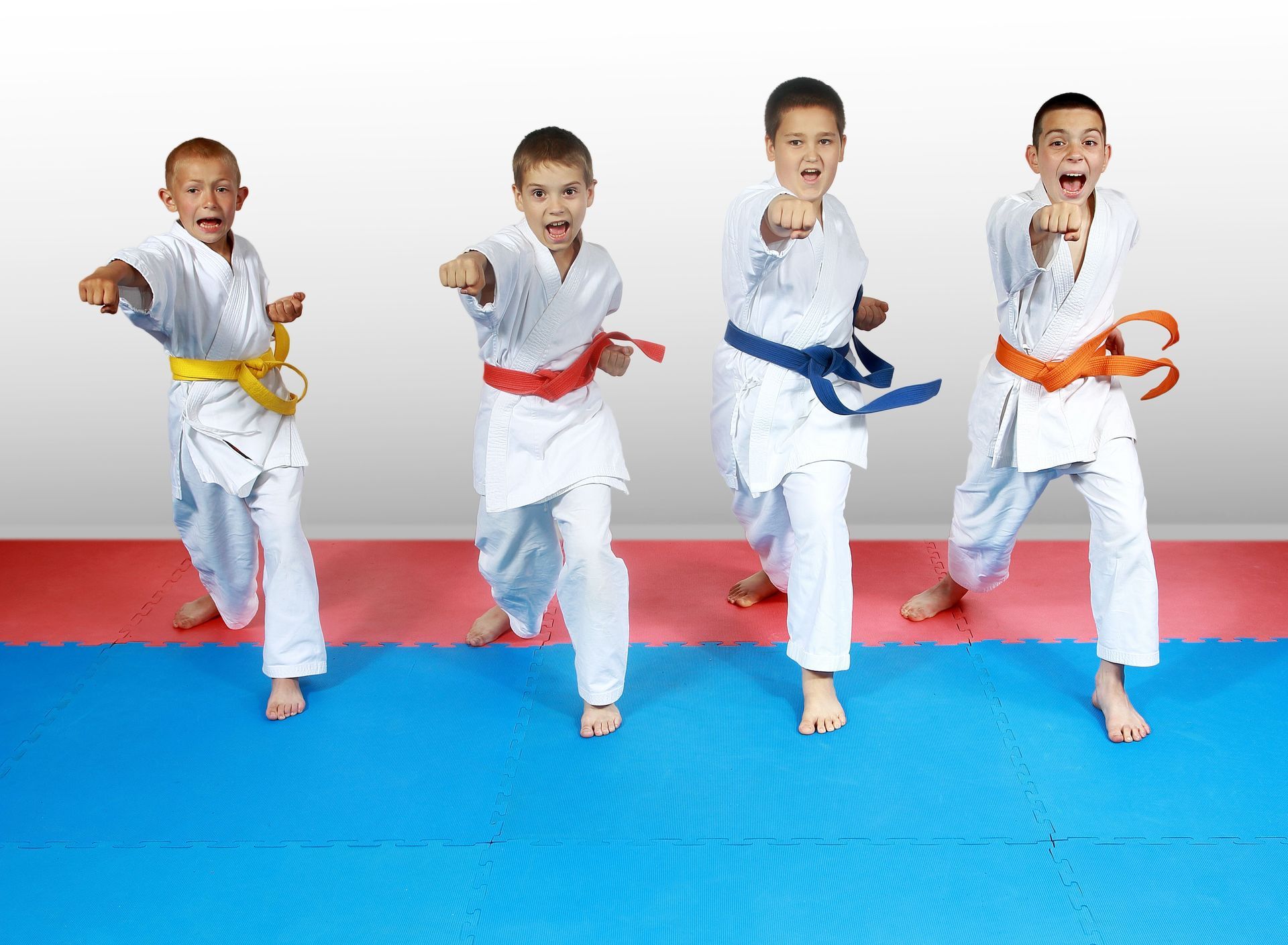
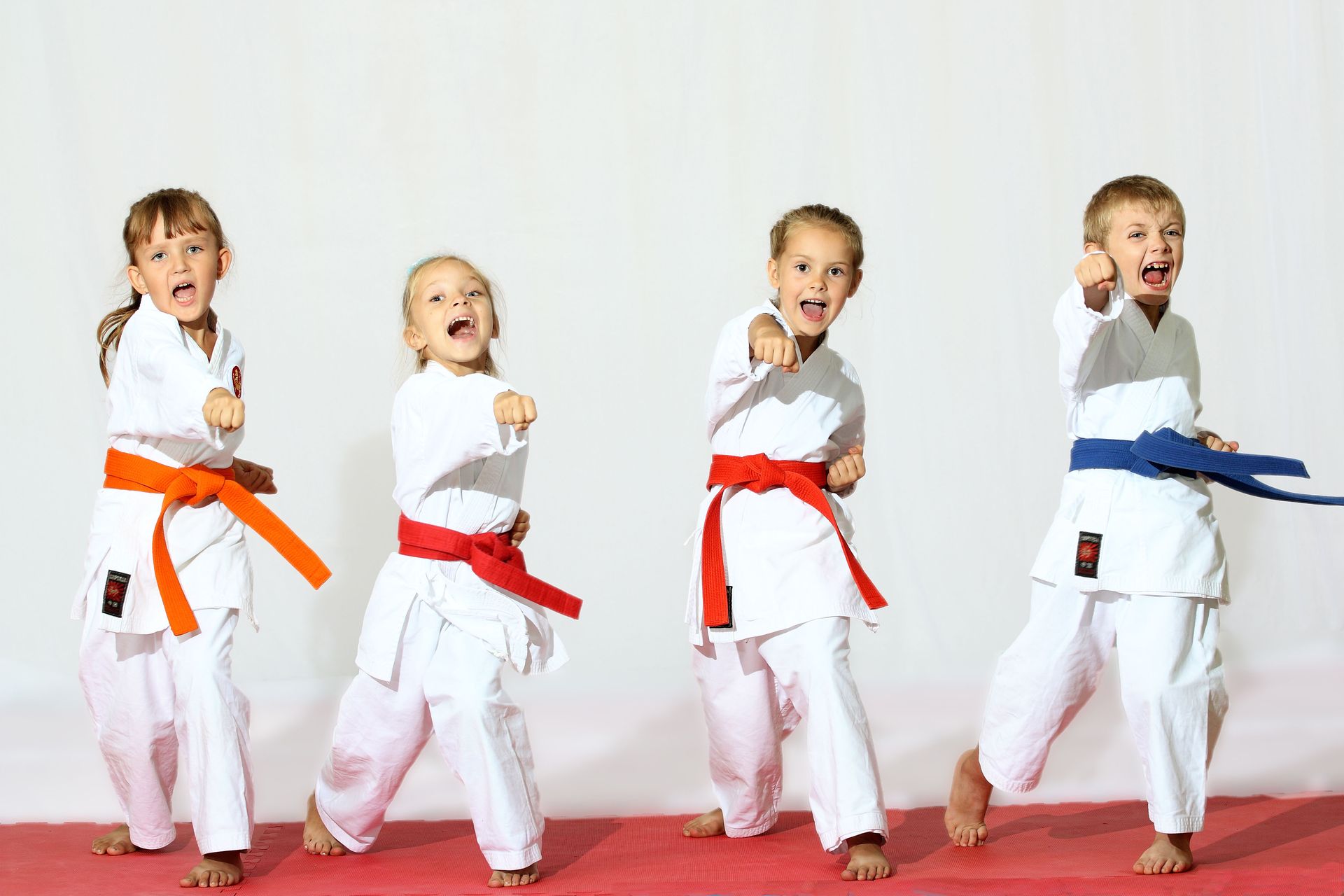
In today's fast-paced, technology-driven world, children face unprecedented levels of distraction. Smartphones, tablets, games, streaming services, and social media can make it difficult for young people to concentrate on one activity for an extended period. Many guardians observe shorter attention spans, difficulty completing tasks, and frustration when children are expected to remain focused. Martial arts, with its longstanding traditions and focus-building practices, offers a structured way to address these challenges. Through kids martial arts classes, children can practice discipline, concentration, patience, and self-control while participating in an engaging physical activity. Consistent training gives young participants opportunities to strengthen both their bodies and their ability to direct their attention toward meaningful goals.
The Rising Challenge of Distraction for Children
Technology plays a significant role in shaping children's daily routines. Constant access to digital entertainment can encourage frequent shifts in attention as children move between videos, games, messages, and other content. While technology provides valuable opportunities for education and communication, excessive or poorly managed use may compete with activities requiring patience and sustained concentration. Schoolwork, reading, conversations, household responsibilities, and other tasks can feel less stimulating compared with the immediate rewards available through digital media.
These distractions can also influence academic and social experiences. A child who struggles to maintain attention may miss important instructions, have difficulty completing assignments, or require frequent redirection. Outside the classroom, heavy reliance on screens may reduce opportunities to practice face-to-face communication, active listening, patience, and cooperation. Structured activities can provide a useful counterbalance by giving children clear expectations and opportunities to practice staying engaged with a specific task.
Why Structured Activities Can Make a Difference
Structured activities establish routines that help children understand what is expected of them. Rather than moving rapidly from one source of stimulation to another, participants are encouraged to listen, observe, practice, and complete specific objectives. Kids martial arts classes provide this type of organized environment through instruction, drills, routines, partner exercises, and progressive skill development. Children learn that improvement usually comes from repetition and sustained effort rather than immediate results.
Martial arts also combines mental and physical engagement. Students must pay attention to an instructor while coordinating their movements, remembering techniques, maintaining balance, and responding to directions. This combination keeps children actively involved while requiring them to control impulses and remain attentive. The emphasis on discipline found in martial arts has deep historical roots across different styles. According to The Olympics, Judo was invented by Jigoro Kano in Japan in 1882. Over time, following a predictable training routine can make sustained concentration feel more familiar and manageable.
Building Discipline and Respect
Discipline and respect are foundational principles in many martial arts traditions. Students are expected to listen when instructors speak, follow established rules, treat training partners appropriately, and practice techniques carefully. These expectations create clear behavioral boundaries while teaching children that their choices influence both their own progress and the experiences of those around them.
For children attending kids martial arts classes, discipline is developed through repeated actions rather than a single lesson. Arriving prepared, following instructions, practicing challenging movements, and continuing after mistakes all reinforce personal responsibility. Children gradually discover that improvement requires consistent effort. These lessons can extend beyond training by encouraging greater accountability when completing school assignments, household responsibilities, and personal goals.
Strengthening Focus Through Repetition
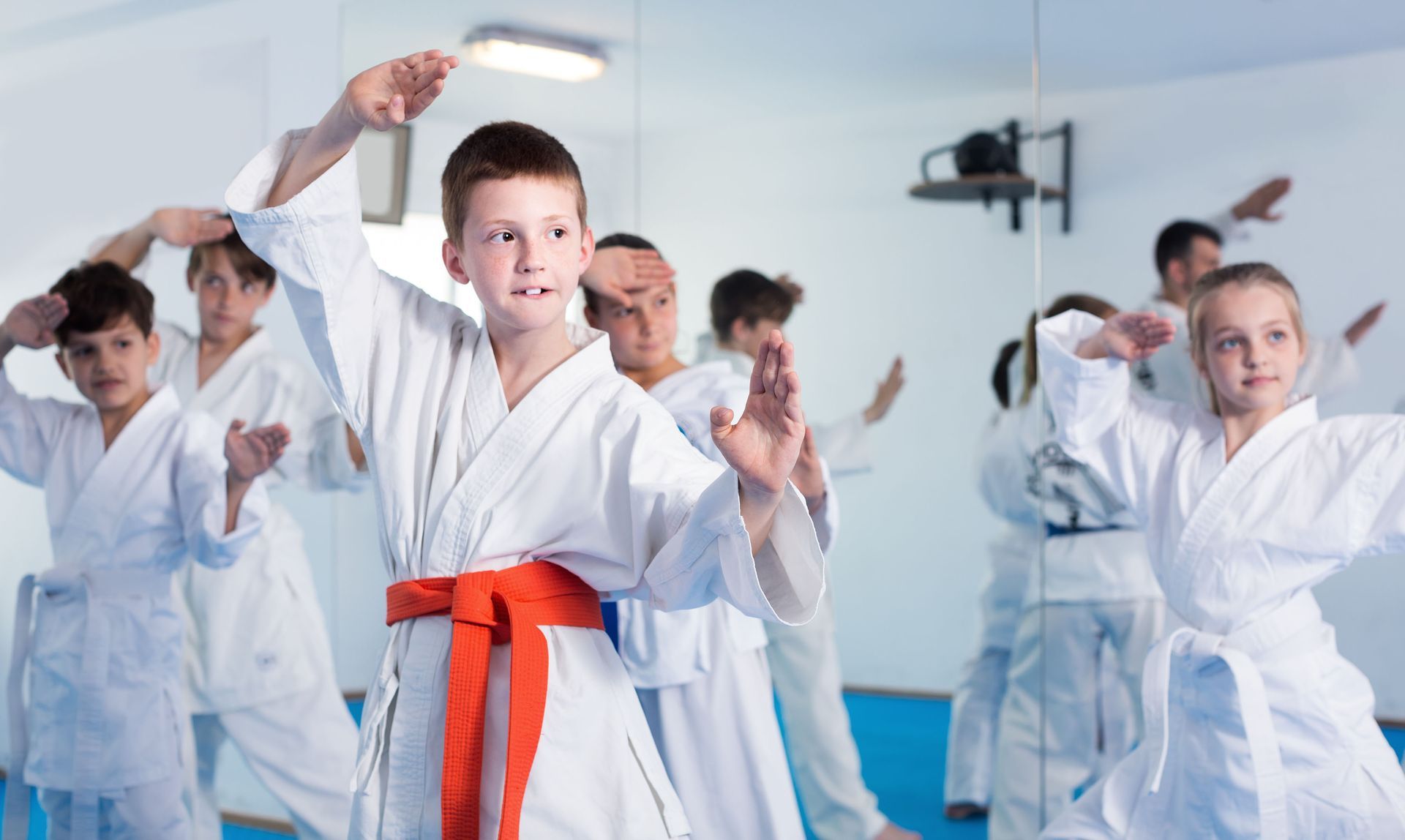
Martial arts training relies heavily on drills and repetition. A student may practice a stance, block, kick, or combination numerous times before becoming comfortable with the movement. Repetition requires concentration because small details in balance, posture, timing, and positioning can affect execution. Children must observe demonstrations carefully and then apply what they have learned.
This process helps participants become accustomed to concentrating on one objective for progressively longer periods. When children make mistakes, instructors can provide constructive feedback and encourage them to try again. Instead of viewing errors as reasons to stop, students learn to use them as information for improvement. Kids martial arts classes can therefore help children associate concentration with progress, reinforcing the value of staying engaged even when a skill does not come easily.
Learning to Be Present
Focus in martial arts also involves awareness of the present moment. When practicing a technique, students need to pay attention to their body position, surroundings, instructor, and training partner. Thinking too far ahead or becoming distracted can interfere with proper execution. This emphasis on immediate awareness encourages children to direct their attention toward what they are doing rather than allowing unrelated thoughts to dominate.
Some programs incorporate controlled breathing, quiet reflection, or similar exercises to help students settle their attention. Slow breathing can give children a simple routine for regaining composure when they become frustrated or overstimulated. Learning to pause before responding may also encourage more thoughtful decision-making during school, sports, family interactions, and other everyday situations.
Using Goals to Encourage Consistent Effort
Goal setting is another important component of martial arts. Students typically progress by learning increasingly complex skills and demonstrating improvement over time. Whether the immediate objective involves mastering a technique, improving balance, completing a drill, or advancing within a ranking system, children can see a connection between consistent practice and measurable progress.
In kids martial arts classes, larger goals are often divided into smaller steps. This approach can teach children that difficult objectives do not have to be achieved immediately. Instead, progress can occur through manageable improvements made over weeks or months. Developing this perspective may help children approach academic assignments and personal challenges with greater patience, particularly when success requires sustained effort.
Developing Focus Under Pressure
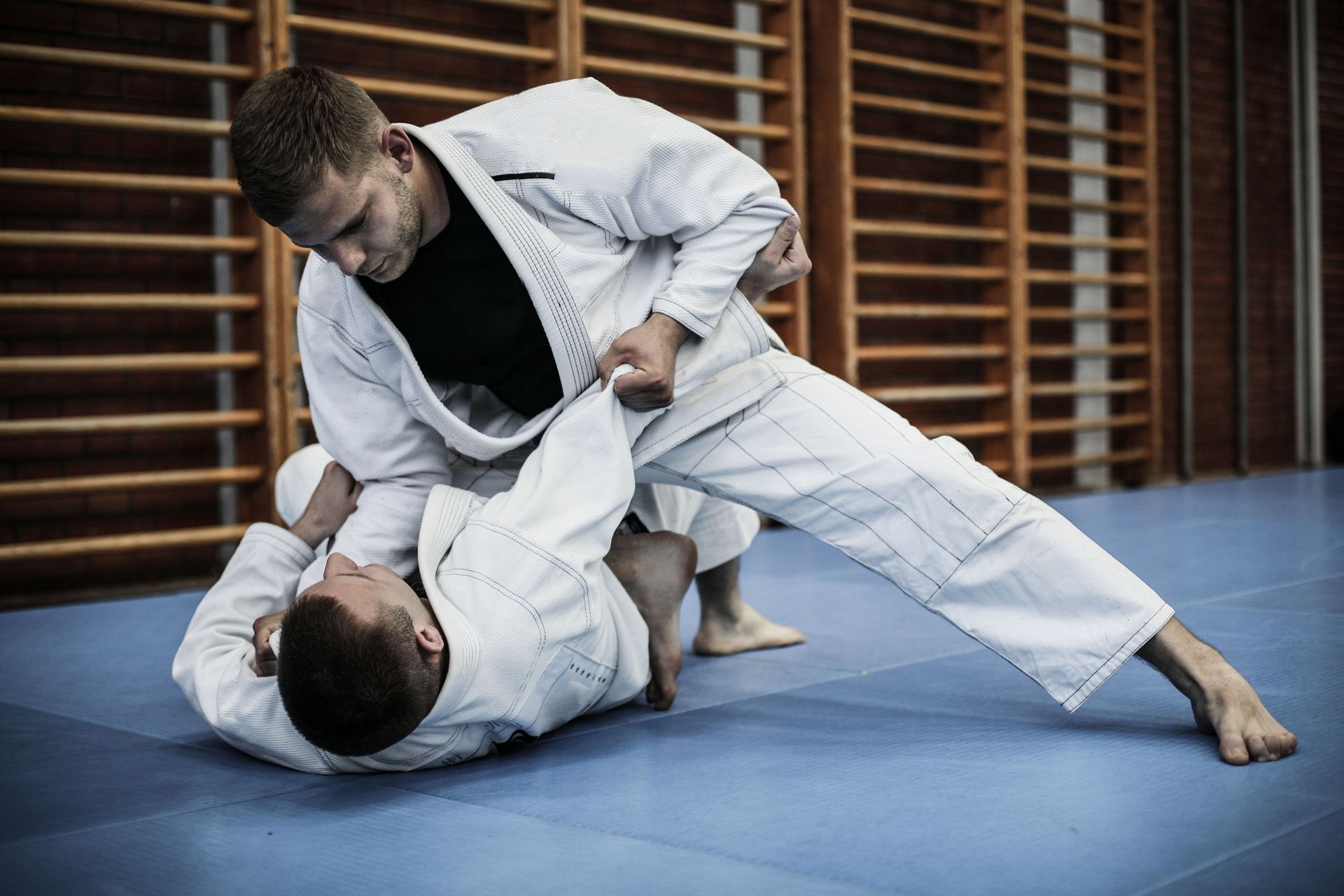
Partner exercises and controlled sparring can introduce another dimension of concentration. Depending on the martial art, age group, and program, students may practice responding to another person's movements in a carefully supervised setting. They must pay attention to timing, positioning, instructions, and safety while controlling their own reactions.
These exercises encourage children to think while experiencing pressure or excitement. Rather than responding impulsively, they learn to observe a situation and select an appropriate action. Kids martial arts classes that emphasize safe, age-appropriate training can also use partner work to reinforce sportsmanship. Students learn that training partners are there to help one another improve, making cooperation and respect just as important as technical ability.
Creating Confidence Through Progress
Children often gain confidence when they recognize improvements that resulted from their own effort. A technique that initially seemed difficult may eventually become familiar after repeated practice. These experiences demonstrate that challenges can become manageable through patience, instruction, and persistence.
Confidence built through achievement differs from simply being told that something is easy. Children have tangible evidence that they worked through difficulty and improved. This understanding can encourage them to approach unfamiliar situations with greater willingness to learn. Kids martial arts classes can provide frequent opportunities for these small achievements, helping students recognize that mistakes and setbacks are normal parts of developing a skill.
Supporting Emotional and Social Development
Martial arts training also provides opportunities for social interaction away from screens. Students communicate with instructors and peers, participate in partner exercises, take turns, and learn to respect personal boundaries. These interactions can reinforce listening, cooperation, empathy, and appropriate communication.
Training can also give children constructive ways to handle frustration. Learning a difficult movement may require many attempts, and progress is not always immediate. Students are encouraged to remain composed, listen to feedback, and continue practicing. Over time, these experiences can help children become more comfortable managing disappointment without abandoning the task.
Parents and guardians can reinforce this transfer by recognizing effort, consistency, and responsible behavior rather than concentrating solely on ranks or physical performance. Asking children how they overcame a difficult drill or maintained concentration can help them recognize that martial arts teaches broader skills. When the lessons from kids martial arts classes are consistently connected with school, family responsibilities, and personal goals, training can become a practical framework for developing stronger focus, discipline, resilience, and self-control in an increasingly distracting world. Contact our team at Elite TOMA Martial Arts Academy today and learn more about our martial arts classes.