July 24, 2026
Parents often struggle to find activities that help children develop mentally and physically. Modern distractions make it difficult for young minds to maintain attention or value delayed gratification. While team sports offer physical benefits, they sometimes overlook the mental conditioning required for personal growth. This gap is where structured training provides a foundation for development. Enrolling children in activities demanding respect and attention leads to behavioral improvements.
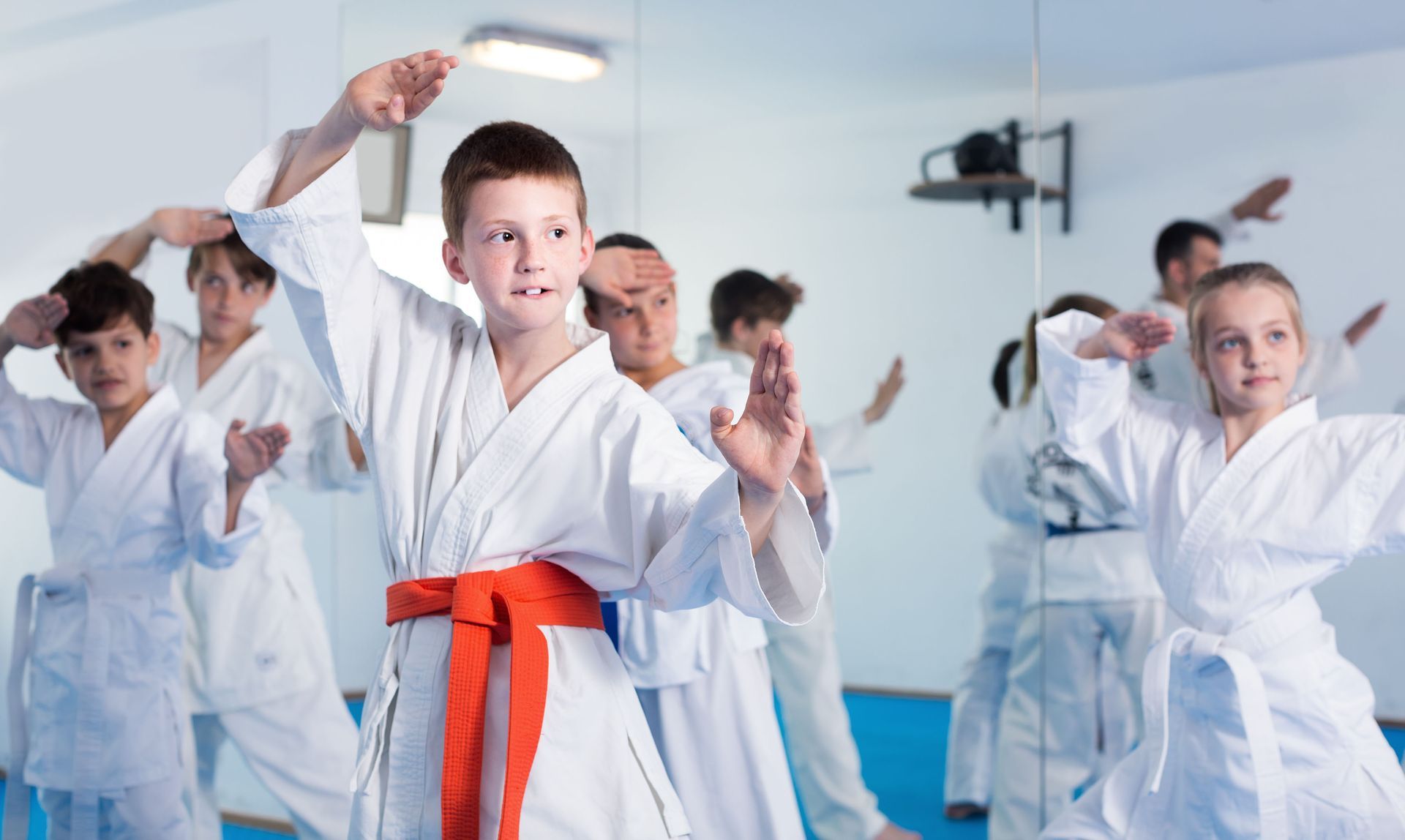
Traditional training methods focus on the whole person rather than just athletic performance. Instructors guide students through exercises requiring them to listen carefully and execute movements with precision. Through this process, kids' martial arts become a powerful tool for teaching children how to manage their energy. The dojo serves as a controlled environment where students learn to quiet outside noise and center their thoughts. These fundamental skills carry over into academic performance and household responsibilities.
1. Cultivate Mental Discipline Through Complex Movements
Physical repetition serves as the cornerstone of traditional training programs. When students step onto the mat, they encounter new stances and techniques challenging their coordination. Instructors break down these actions into smaller steps requiring total concentration to master. A student must coordinate their arms and legs while maintaining proper posture and balance. This forces the mind to stay present and block out external distractions that might normally pull one's attention away from the task.
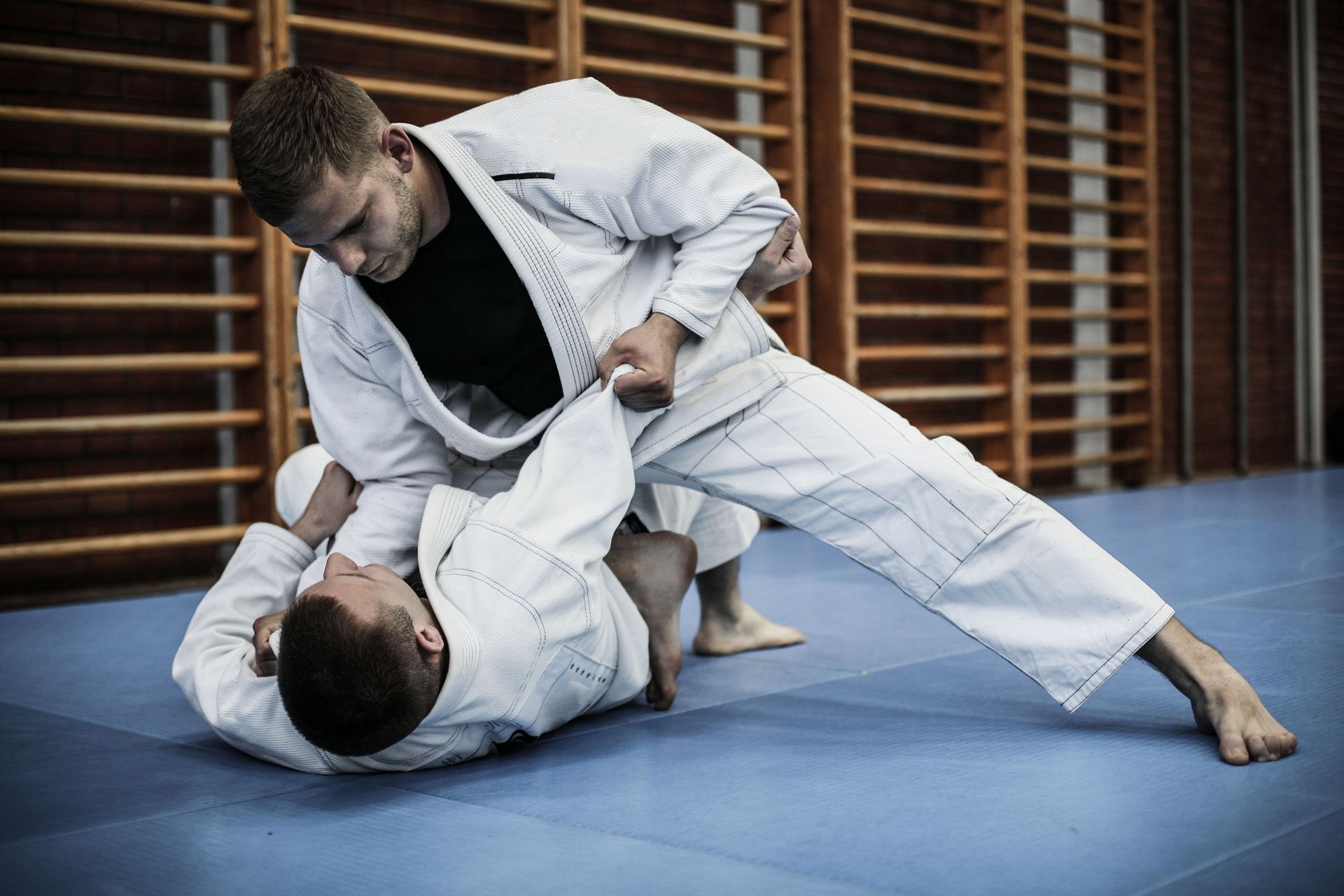
The process of learning these sequences takes time and patience. Children can't master a new form on their first attempt, teaching them to handle frustration gracefully. According to Black Belt Magazine, over 200 kinds of martial arts exist, yet they all share a common reliance on repeated practice to build muscle memory. As students practice the same kick repeatedly, they develop mental toughness extending beyond physical endurance. They learn to push through fatigue and maintain focus when an exercise becomes difficult.
This level of mental discipline naturally translates into better habits outside the training facility. Parents frequently notice their children become more attentive during homework sessions after starting a kids' martial arts program. The ability to concentrate on a complex physical movement helps young students sit still and focus on challenging reading assignments. By training the brain to focus intensely for short periods, children gradually expand their overall attention span.
2. Foster Unshakable Focus Through Moving Meditation
Many people associate kids' martial arts exclusively with physical combat. However, the core philosophy relies heavily on achieving internal harmony and a calm state of mind. Instructors teach students to treat technical forms as a moving meditation rather than a physical workout. A form is a prearranged sequence of defensive and offensive movements performed against imaginary opponents. Executing these patterns correctly requires a level of mindfulness, keeping the practitioner entirely focused on the present.
When performing these forms, a student must control their breathing and align it with their physical actions. This synchronization of breath and movement calms the nervous system and helps reduce anxiety. Children who struggle with hyperactivity find this aspect of training helpful for managing their impulses. The structured nature of the dojo demands that they stand quietly and wait for instructions before acting. Over time, this practice builds an unshakable focus, allowing students to navigate stressful situations with a clear head.
The meditative aspects of this discipline provide an essential tool for cognitive clarity. Instead of reacting emotionally to a difficult situation at school, students learn to pause and assess their environment. A quality curriculum prioritizes this mental clarity just as much as physical fitness. Instructors encourage children to use the breathing techniques they learn on the mat whenever they feel overwhelmed in their daily lives. This practical application turns a physical hobby into a lifelong skill for emotional regulation.
3. Build Self-Confidence Through Consistent Effort
Confidence doesn't appear overnight or come from empty praise. True self-esteem develops when a child faces a challenge, puts in the necessary work, and overcomes the obstacle. The training environment provides constant opportunities for students to experience this cycle of effort and achievement. Whether trying to break their first board or perfect a challenging kick, students in kids' martial arts learn that success requires dedication. The low student-to-instructor ratio ensures every child receives the guidance needed to improve their technique safely.
Facing failure in a supportive environment is a crucial component of personal growth. In regular team sports, a missed goal might lead to immediate disappointment for the entire team. In a dojo, a mistake simply indicates an area requiring more practice. Instructors correct errors gently and encourage students to try again immediately. This approach teaches children that failure is a natural part of the learning process rather than a permanent setback. They begin viewing challenges as opportunities to learn.
As students notice their physical abilities improving, their internal confidence grows significantly. They stand taller, speak clearly, and look others in the eye when communicating. Parents often report that a shy child will blossom after a few months of classes. The knowledge that they can defend themselves and master difficult skills gives children a sense of empowerment. This self-assurance stems directly from their consistent effort and hard work rather than luck or natural talent.
4. Encourage Long-Term Goal Setting Through the Belt System
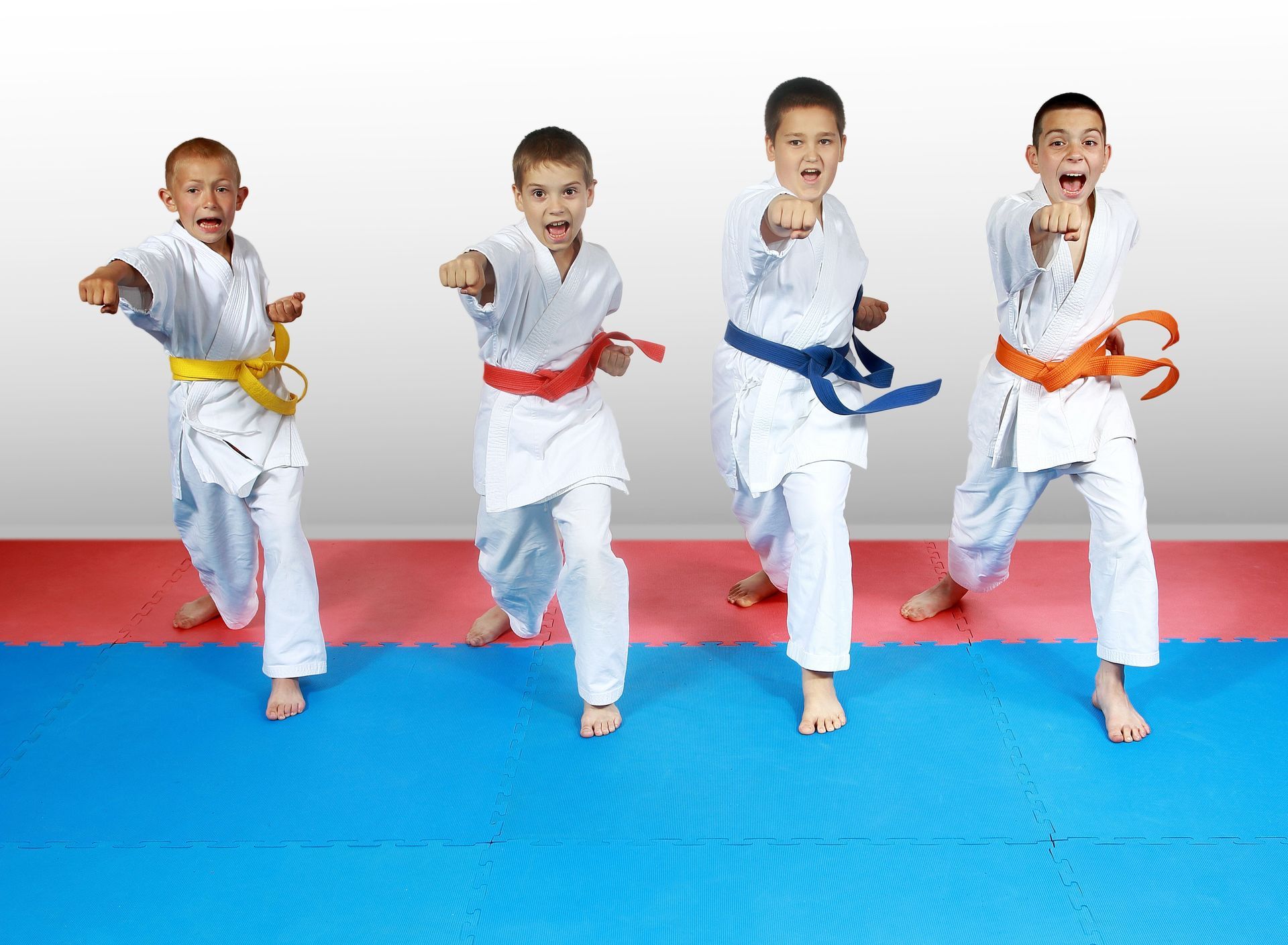
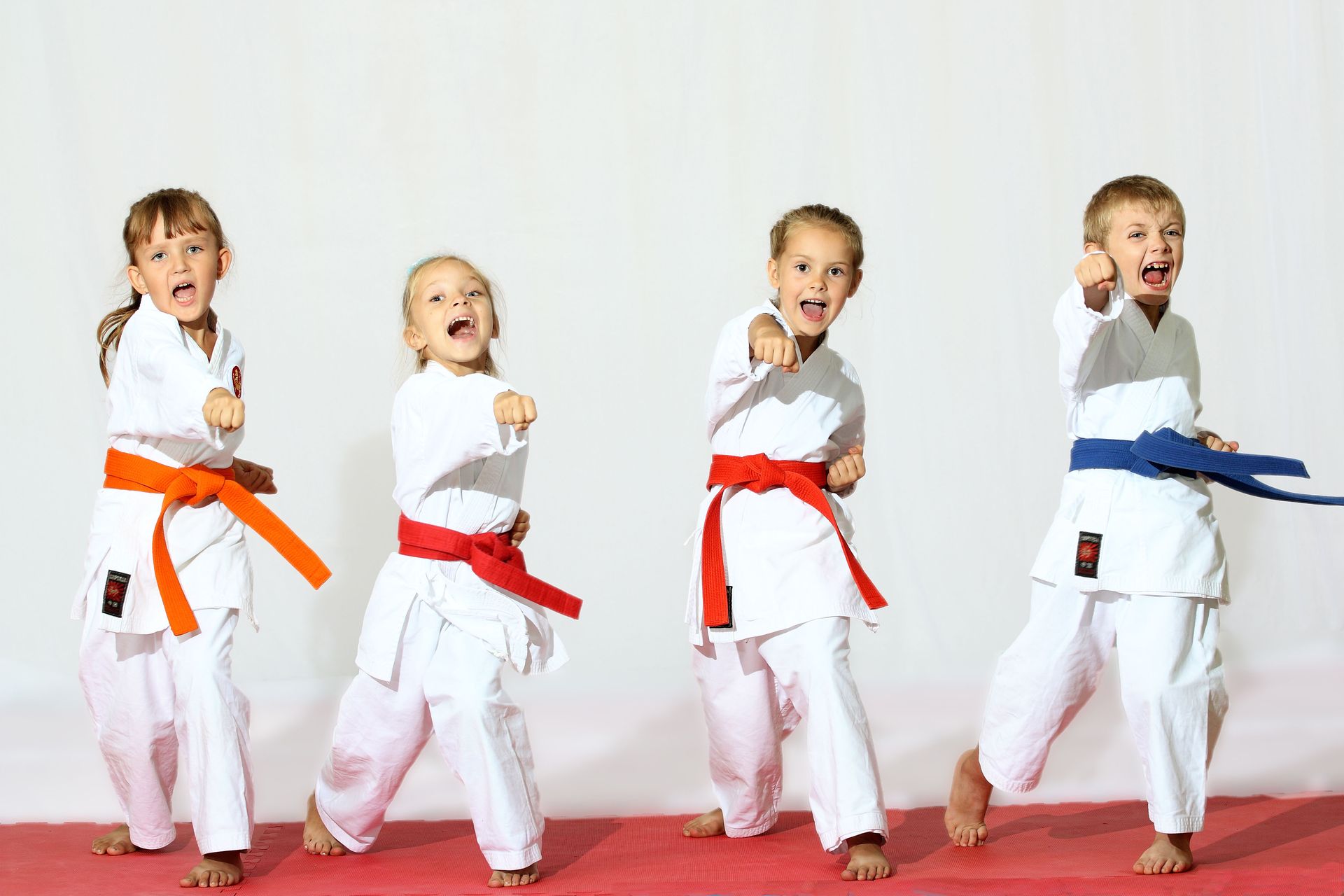
The colored belt ranking system is one of the most recognizable features of traditional training. This hierarchy provides a clear visual roadmap for a student's journey from beginner to expert. When a child puts on their white belt for the first time, they immediately look up to the advanced students in the room. Earning a black belt becomes a tangible goal requiring years of dedication. The system breaks this massive objective down into smaller, manageable steps represented by each new belt color.
Preparing for a belt test requires focus and accountability. Students must memorize specific forms, demonstrate proper sparring techniques, and show an understanding of core values like respect and perseverance. Knowing they will be evaluated in front of their peers and families motivates children to practice diligently at home. This preparation phase teaches them how to study effectively and manage time outside of regular class hours. They learn firsthand that long-term goals require consistent daily habits and continuous self-evaluation.
Achieving a new rank brings a deep sense of accomplishment and renewed motivation. It validates the hours of sweat and focus they poured into their training over several months. Many specialized programs also offer leadership teams for students demonstrating exceptional commitment. Experiencing this structured progression within kids' martial arts shows children the direct relationship between goal setting and personal success. They carry this understanding into their academic careers, setting higher standards for their grades and future aspirations.
Developing focus and self-discipline takes time, but the right environment makes the process enjoyable and rewarding. Traditional training provides a unique combination of physical exertion, mental conditioning, and structured goal setting. Children learn to harness their energy, respect their peers, and push past perceived limitations. The skills they develop on the mat inevitably bleed into their everyday routines and relationships.
Parents looking for a meaningful way to support their child's development will find value in these programs. The dojo offers a safe space for young people to fail, learn, and ultimately succeed through their own determination. By committing to regular practice, children build a strong foundation of confidence and mental clarity that lasts a lifetime. The journey from white belt to black belt shapes them into capable and resilient individuals.
Ready to get your child started with kids' martial arts? Give our team a call at Elite TOMA Martial Arts Academy today.