August 25, 2026
Starting a martial arts journey involves far more than mastering physical kicks, blocks, and strikes. While people picture sparring when imagining a martial arts class, real transformation occurs within the mind and heart of the practitioner. Martial arts serve as a time-tested framework for personal growth, instilling foundational values that guide individuals through challenges both inside and outside the training hall.
In the U.S. and around the globe, people turn to traditional martial arts to build resilience, maturity, and personal accountability. Whether a child is taking their first steps onto the mat or an adult is looking to manage stress, attending a martial arts class provides a roadmap for improvement. Through repetitive movement, focused practice, and respectful interaction, martial arts drive meaningful character development that lasts a lifetime.
Uncovering the True Purpose of Practice
Newcomers often enter their initial session expecting a simple workout. However, physical techniques act primarily as tools to teach lessons about self-control, perseverance, and integrity. Executing a precise punch or maintaining proper posture under fatigue requires total mental engagement. Over time, students realize that mastering physical movements is simply a stepping stone toward mastering themselves.
By pairing physical exertion with mental focus, students learn to quiet external distractions and concentrate on the present moment. This deliberate practice strengthens neural pathways related to attention and emotional regulation. Lessons learned translate directly into improved focus at school and calmer decision-making in everyday life.
Transforming Daily Habits Through Structure
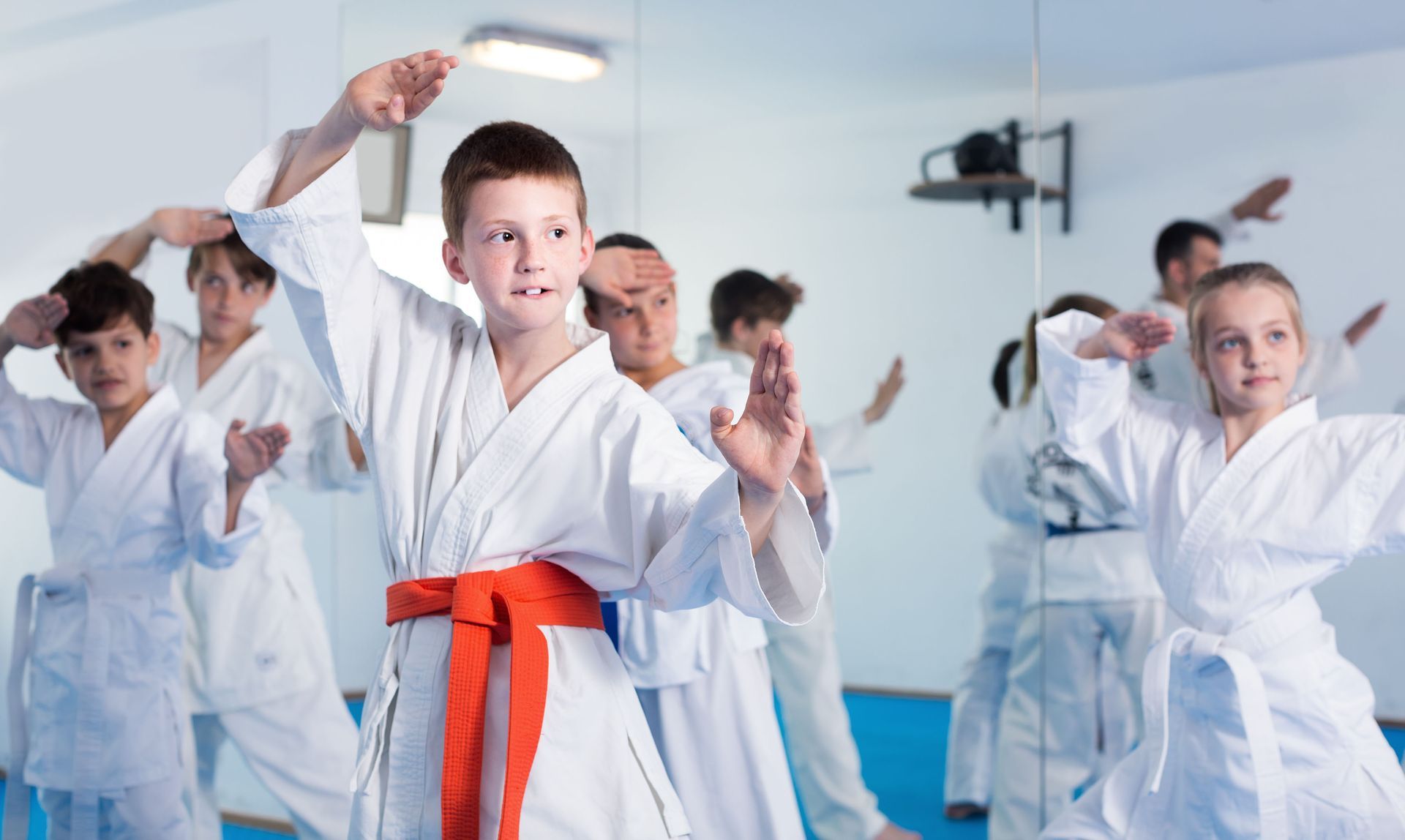
Character development takes root through consistent daily habits and structured environments where clear expectations govern every interaction. Students line up by rank, bow upon entering the mat, and address instructors with formal courtesy, reinforcing that progress stems from respect and order.
When individuals participate in a structured martial arts class, they learn to take pride in their preparation and appearance. Wearing a clean uniform and arriving on time foster accountability. These details build self-discipline that spills over into academic and professional commitments.
Building Unshakable Personal Discipline
Self-control is one of the most critical character traits developed through traditional training. During training, students encounter physical fatigue and complex movement patterns. Learning to stay calm when a technique proves difficult teaches students to manage frustration constructively. Rather than reacting impulsively, practitioners learn to pause, breathe, and analyze the situation.
This capacity for emotional regulation becomes invaluable during stressful moments outside the school. Whether dealing with peer pressure or managing a tight deadline at work, martial artists draw upon the composure cultivated on the mat. They recognize that while they cannot control external circumstances, they maintain control over their personal responses.
Embracing the Value of Consistency
Progress in martial arts is measured in small, incremental steps rather than sudden leaps. Earning a new belt or mastering a complex form requires months of steady effort and repeated practice. Joining a weekly martial arts class teaches students that long-term success relies on showing up consistently, even on days when motivation wanes.
Understanding the direct connection between effort and reward helps practitioners develop a strong work ethic. Refining a kick over weeks allows students to experience the tangible reward of persistent labor. This reshapes their mindset, proving that effort overcomes difficulty in any area of life.
Overcoming Challenges and Setbacks
Every martial artist experiences moments of failure, whether it involves dropping a balance stance or struggling to learn a new form. Rather than treating setbacks as defeat, traditional training frames mistakes as learning opportunities. Instructors encourage students to analyze errors and try again with renewed determination.
This constructive attitude toward failure builds profound emotional resilience. When students realize that mistakes are simply natural checkpoints along the path to mastery, they lose their fear of trying difficult tasks. They carry this resilient attitude into academic testing and career changes, viewing challenges as invitations to grow.
Fostering Mutual Respect and Kindness
Respect forms the bedrock of traditional martial arts culture. From day one, students learn to bow to instructors and training partners as an outward sign of appreciation. This ritual bowing acknowledges the support shared within the community.
Training with partners reinforces the importance of mutual care and empathy. Practitioners execute techniques with control to protect their partners, creating a supportive environment. By practicing empathy during drills, students learn to treat everyone with dignity.
Strengthening Family Connections and Community
The core values of traditional martial arts extend beyond the school, emphasizing family harmony and teaching that strength should support others. Children learn to demonstrate obedience and gratitude at home, strengthening family bonds.
Adults discover that training enhances patience within their families. Shared martial arts experiences allow parents and children to achieve goals side by side. This shared journey reinforces positive communication and mutual support across generations.
Cultivating Mental Focus and Courage
Life presents constant distractions, making sustained attention a valuable skill. Traditional training demands complete presence during every drill. Whether practicing a complex sequence of forms or watching an instructor demonstrate a technique, students must direct their total attention toward the task at hand.
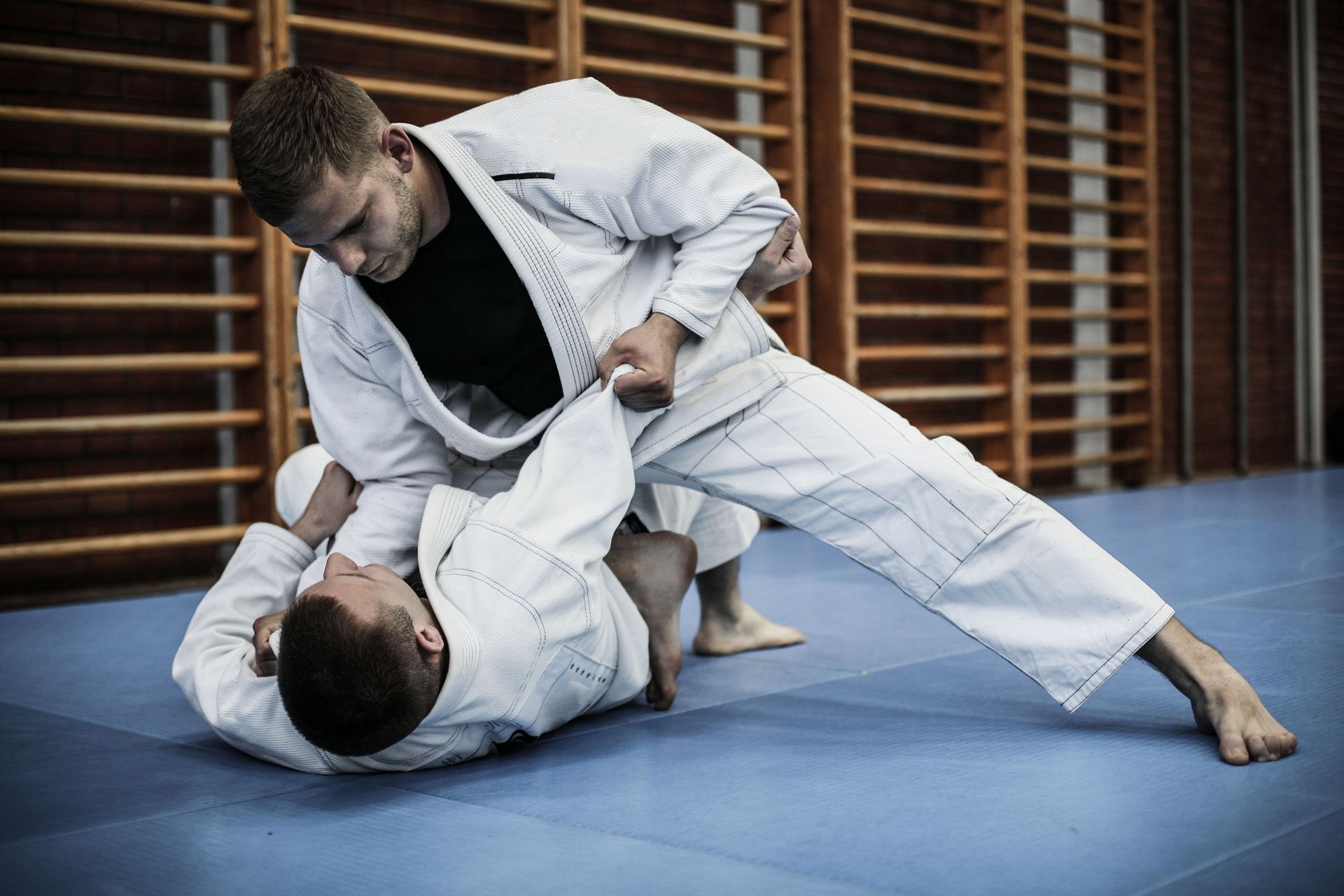
This intense concentration expands attention spans over time. According to NBC, the official contest duration for every judo match spans four minutes, demonstrating how intense mental concentration must be maintained during competitive encounters. Developing mental endurance helps individuals excel during academic exams and professional presentations.
Building Genuine Confidence and Courage
True self-confidence develops when individuals accomplish challenging tasks through their own effort. As martial arts students master techniques and pass examinations, they gain authentic confidence in their personal capabilities. They know they can set difficult goals and achieve them through dedication.
This newfound confidence transforms how individuals carry themselves in the world. Children stand taller and speak up against bullying, while adults approach new challenges with calm assurance. Courage in martial arts means stepping forward to do what is right despite feeling uncertain.
Applying Martial Arts Values to Daily Life
As students advance, their role evolves. Higher-ranking students assist beginners and offer encouragement to struggling peers. This shift from student to mentor cultivates essential leadership qualities, including patience, active listening, and clear communication.
Learning to guide others prepares advanced students for leadership roles. True leaders use their experience to elevate those around them. This spirit of mentorship creates a lasting legacy of positive character development.
Maintaining Mind and Body Balance
Traditional martial arts balance physical exertion with internal reflection. Training incorporates controlled breathing and mindfulness practices that soothe the nervous system. This balanced approach helps practitioners release built-up tension and maintain emotional equilibrium.
Adults find that participating in a regular martial arts class provides a vital outlet for releasing workplace stress. By cultivating physical strength alongside mental tranquility, individuals achieve a harmonious lifestyle that supports long-term health and personal happiness.
Investing in high-quality traditional training provides children, adults, and families with a solid foundation for personal growth and character development.
Guided by authentic Korean martial arts philosophy, Traditional Oriental Martial Arts (TOMA) combines physical self-defense skills with deep lessons in respect, focus, and perseverance. Whether your goal is building rock-solid self-confidence in your child or knocking out everyday stress in your own life, enrolling in a martial arts class delivers life-changing benefits for the mind, body, and spirit. To experience authentic instruction and start your personal transformation, contact Elite TOMA Martial Arts Academy today to join a martial arts class and begin your journey toward lasting success.